





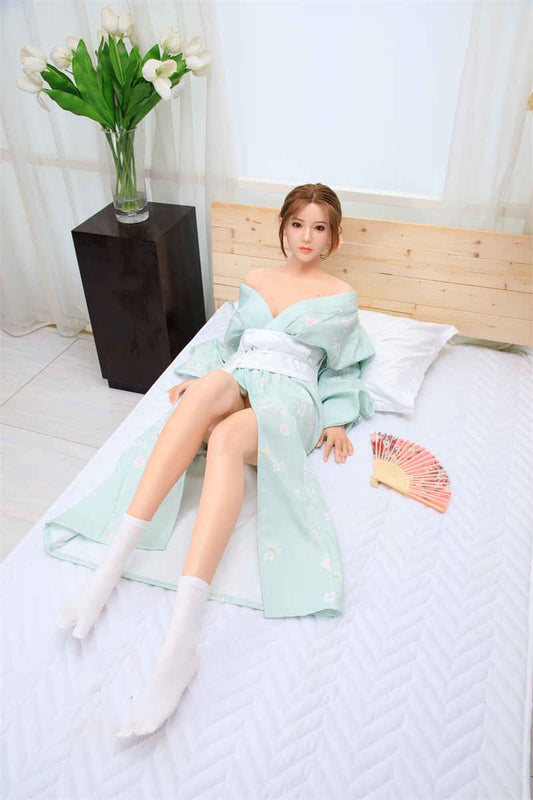



Difference between Silicone vs TPE
People often ask whether silicone or TPE feels better.
It sounds like a simple question, but it rarely is.
Because the real difference between these two materials doesn’t reveal itself in the first five minutes. It shows up weeks later. In how the surface responds to warmth. In how confident you feel touching it. In how much care it quietly demands from you after the novelty fades.
This comparison isn’t about specs on a product page. It’s about what it’s like to actually live with each material.
The First Touch: Immediate Impressions
The first thing most people notice with TPE is softness.
TPE compresses easily under the fingers. It gives way quickly, mimicking the pliability of human skin. For many first-time buyers, this softness feels reassuring and familiar. It’s easy to press, easy to grip, and immediately sensual.
Silicone, by contrast, often feels firmer at first. The surface may feel slightly cooler, more structured. Some people mistake this firmness for a lack of realism, especially during a brief showroom test or unboxing.
But that first impression doesn’t tell the whole story.
As silicone warms with body contact, its texture becomes more responsive. The firmness begins to feel intentional rather than rigid. Many users describe it as a more “stable realism,” especially in areas like facial features, hands, and fine details where structure matters.
How the Material Responds Over Time
This is where the differences become clearer.
TPE is extremely sensitive to its environment. Temperature, humidity, oils from skin, and even the type of fabric it rests against all influence how it ages. With proper care, TPE can remain beautiful and soft for a long time, but it requires attention.
Over months of use, untreated TPE may begin to show small changes: slight tackiness, minor surface wear, or areas that feel different to the touch. These aren’t flaws so much as reminders that TPE behaves more like a living surface. It absorbs. It reacts.
Silicone is more stable. Its surface doesn’t absorb oils or moisture in the same way. That means fewer surprises over time. The texture you feel in month six is very close to what you felt on day one.
For users who prefer predictability and long-term consistency, this difference matters more than softness alone.
Realism Is More Than Softness
There’s a common assumption that softer always means more realistic. In practice, realism is a combination of resistance, rebound, and surface response.
TPE excels at softness and compression. When pressed, it yields quickly. This can feel extremely lifelike in areas designed for close physical interaction.
Silicone, however, offers controlled resistance. It doesn’t collapse as easily, which allows designers to create more defined anatomy. Cheekbones, jawlines, fingers, and shoulders often look and feel more natural in silicone because the material holds form better.
In everyday use, many experienced owners describe silicone realism as subtler. It may not overwhelm the senses immediately, but it feels more consistent and believable over time.
Cleaning and Maintenance: The Quiet Difference
Maintenance is rarely discussed honestly, but it shapes the entire ownership experience.
TPE requires more careful handling. It benefits from regular cleaning, thorough drying, and the use of renewal powders to maintain its surface feel. Skipping these steps doesn’t cause immediate damage, but over time the material will reflect the neglect.
Some users enjoy this care routine. It becomes part of the relationship, a way to stay connected and attentive.
Silicone is more forgiving. Cleaning is simpler, drying is faster, and the surface is less reactive. There’s less need for powders, and fewer concerns about long-term moisture retention.
For people with limited time or those who prefer low-maintenance ownership, silicone often feels less demanding and more relaxed.
Emotional Comfort and Psychological Response
Material choice affects more than touch. It affects how people feel emotionally during use.
TPE’s warmth and softness can feel nurturing. It invites closeness. Some users describe it as emotionally comforting, especially during moments of loneliness or stress.
Silicone, on the other hand, often creates a sense of confidence. Its firmness, stability, and clean surface can feel reassuring and intentional. Users who value clarity, structure, and reliability often gravitate toward silicone without fully realizing why.
Neither response is better. They simply reflect different emotional needs.
This is why many brands, including spicyshe, offer both material options—to allow users to choose based on how they want to feel, not just how something looks on a screen.
Durability and Long-Term Ownership
Over years, durability becomes a quiet priority.
TPE can last a long time with attentive care, but it is more vulnerable to punctures, abrasions, and environmental damage. Storage matters. Handling matters.
Silicone is tougher. It resists tearing, tolerates temperature changes better, and holds its structure under repeated use. This resilience often translates into a longer usable lifespan, especially for users who want a companion they don’t have to worry about constantly.
Durability isn’t just about cost. It’s about peace of mind.
Which Material Feels More “Human”?
This question doesn’t have a universal answer.
Some people associate human touch with softness and warmth, which makes TPE feel closer to their expectations.
Others associate realism with stability, detail, and lasting consistency, which makes silicone feel more authentic in the long run.
The truth is that realism is personal. It’s shaped by memory, emotion, and experience as much as by material science.
Choosing Based on Lifestyle, Not Labels
Instead of asking which material is better, a more useful question is:
Which material fits your life?
If you enjoy hands-on care, value extreme softness, and don’t mind ongoing maintenance, TPE may feel deeply satisfying.
If you prefer low maintenance, structural realism, and long-term reliability, silicone may offer a more relaxed and confident experience.
At spicyshe, this understanding guides material selection—not just to meet technical standards, but to support different ways people connect, care, and coexist with their companions.
What You Notice After the Novelty Fades
Weeks after purchase, the excitement settles. What remains is the daily reality of touch, cleaning, storage, and emotional comfort.
That’s when material choice truly reveals itself.
Not in comparison charts.
Not in marketing terms.
But in the quiet moments when you realize whether the experience still feels right.
Silicone and TPE don’t compete as much as they offer different paths to realism. The best choice is the one that continues to feel natural long after the first impression is gone.