





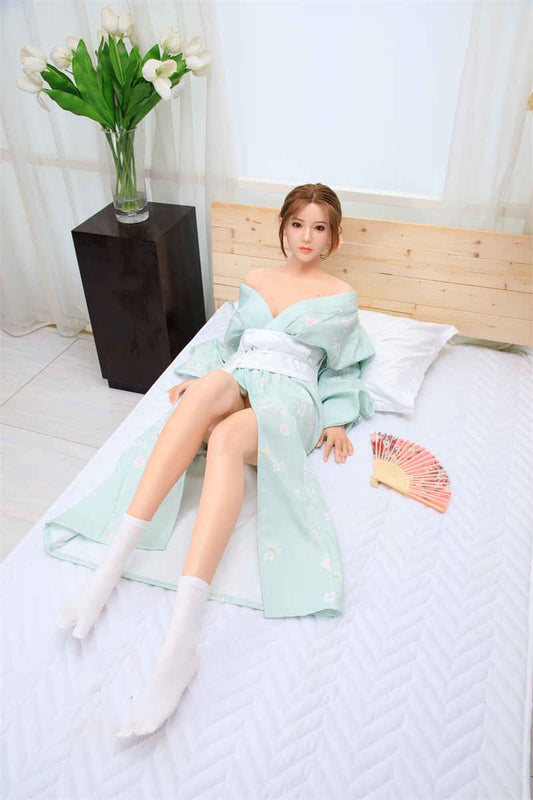



Sex Dolls and Emotional Solitude
Modern life has reshaped the ways people experience social connection. Urbanization, remote work, and digitalized communication have created environments where physical proximity no longer guarantees emotional engagement. For many, this leads to periods of social isolation or what is often referred to as modern loneliness—a form of solitude that is situational, fluctuating, and deeply personal. Unlike chronic clinical loneliness, these experiences are often intertwined with professional demands, online interaction, and self-curated routines.
Within this context, private routines and personal objects that facilitate emotional regulation have become increasingly significant. Among these, sex dolls occupy a unique role: they are controllable, predictable companions situated entirely within private spaces. Understanding their place requires stepping back from assumptions about psychological “effects” and instead focusing on behavioral patterns, emotional needs, and social navigation.
Understanding Modern Loneliness
Loneliness is rarely about the absence of people; it is more accurately described as unmet expectations in social interaction. An individual may be surrounded by family, colleagues, or online communities yet feel disconnected from meaningful engagement. This form of isolation often surfaces as subtle emotional tension, restlessness, or a desire for controlled interaction.
Modern loneliness is influenced by structural factors such as living alone, long commuting hours, and the constant availability of digital interaction that paradoxically can heighten the feeling of emotional distance. In this landscape, behaviors that provide private comfort, control, or predictability become particularly relevant.
The Behavioral Role of Private Companions
Humans have long used objects to manage emotional states. From books and music to hobby equipment, objects often serve as extensions of personal space and emotional regulation. Sex dolls, in this framework, are one example of how private companions may intersect with contemporary emotional landscapes.
They provide predictable interactions, removing the need to interpret complex social cues or respond to real-time judgment. While these objects do not replace interpersonal relationships, they offer a controlled environment where users can explore personal preferences and boundaries safely. This aligns with broader behavioral patterns of seeking stability in unpredictable social environments.
Predictability, Control, and Emotional Management
A key factor in private engagement is predictability. In social contexts, unpredictability arises from the variability of other people’s emotions, reactions, and expectations. This unpredictability can create stress, particularly for individuals sensitive to social evaluation.
Sex dolls, by design, offer a controlled environment. Users know what to expect, can structure interaction according to personal comfort, and avoid the cognitive load associated with real-time social performance. This is not to suggest that dolls alleviate anxiety or treat emotional conditions, but rather that they provide a space in which individuals can regulate internal states more predictably.
Intimacy Without Performance Pressure
Social interactions, especially intimate ones, often carry implicit expectations. These may include emotional responsiveness, reciprocal behavior, or adherence to perceived social norms. For individuals navigating social sensitivity, these implicit demands can amplify self-monitoring and cognitive load, sometimes making intimate experiences feel exhausting.
In private, predictable interactions with sex dolls, the performance element is absent. Users can engage with the concept of intimacy—physical closeness, presence, or routine—without evaluating how they are perceived by another person. This distinction is critical: it allows exploration of personal preference and boundary-setting without implying psychological change or clinical benefit.
Temporal and Situational Use
Human behavior is fluid. Needs for privacy, social engagement, and emotional processing vary by context, time of day, and life circumstances. Some individuals may engage with private companions sporadically, during periods of high stress or solitude, while maintaining active social lives at other times.
Understanding use in temporal terms emphasizes choice and agency. The presence of a sex doll does not define social patterns, but exists as one element among many that individuals draw upon to manage their daily experience. This perspective avoids oversimplified cause-and-effect narratives.
Cultural Perception and Stigma
External perception significantly shapes personal experience. Social norms, stereotypes, and cultural narratives can influence how individuals interpret their own behaviors. Even neutral, private activities may carry perceived stigma due to societal expectations or sensationalized media coverage.
Brands that prioritize discretion, realistic representation, and neutral framing—such as SpicyShe—support users in navigating these pressures. By avoiding judgmental messaging or exaggerated claims, they enable individuals to make choices without the added weight of societal expectation.
Autonomy, Choice, and Emotional Boundaries
Agency is central to understanding private behaviors. Users make intentional choices about when, how, and why they engage with sex dolls. This decision-making process reinforces personal boundaries, allows experimentation with comfort zones, and helps structure solitude without external interference.
Autonomy in private engagement does not imply avoidance, nor does it suggest dependence. Instead, it reflects a broader behavioral principle: individuals seek ways to regulate their emotional states and social energy in a manner that aligns with personal rhythms and preferences.
Integrating Private and Social Life
Private behaviors are rarely isolated from broader life patterns. Work routines, friendships, family connections, and online communities coexist with private routines. For many, sex dolls form one aspect of a complex ecosystem of behaviors that balance solitude, engagement, and emotional regulation.
The relationship between private companions and social life is context-dependent. In most cases, engagement with such objects complements rather than replaces social interaction, allowing individuals to manage energy and attention without rigidly defining their social identity.
Responsible Framing and Information
When discussing sensitive topics like intimacy products and modern loneliness, it is essential to provide information that is factual, neutral, and contextually accurate. Claims suggesting clinical benefits, treatment effects, or psychological outcomes are inappropriate without professional validation. Instead, content should focus on observed behaviors, situational patterns, and user autonomy.
Transparency, clarity, and realistic representation support both informed readership and search engine trustworthiness. These principles are increasingly important for topics that intersect with personal behavior, privacy, and social perception.
Observing Behavioral Patterns
The intersection of sex dolls and modern loneliness illustrates broader human tendencies: the desire for autonomy, predictable environments, and self-directed emotional management. These behaviors are not unique to intimacy products—they echo patterns seen in hobbies, creative activities, and other private routines.
By framing sex doll use as part of a spectrum of adaptive behaviors, content can highlight personal choice and context without making assumptions about mental health, social ability, or emotional outcomes.
Integration With Broader Life Patterns
Sex dolls occupy a space within contemporary behavioral landscapes where solitude, agency, and emotional regulation intersect. They do not define social patterns, alleviate psychological conditions, or replace relationships. Instead, they function as controllable, private companions that align with individual choice, situational needs, and personal comfort.
Understanding these dynamics requires moving beyond simplified narratives. Observing how individuals structure their private spaces, manage social energy, and navigate societal perceptions offers a nuanced view of both modern loneliness and human behavior.
Brands such as SpicyShe support this perspective by emphasizing informed choice, privacy, and realistic representation, allowing readers to interpret personal relevance without external judgment.