








Personality and Emotion in Sex Dolls
When people talk about sex dolls, the conversation often starts—and ends—with the physical. Appearance, realism, materials, and features tend to dominate discussions. Yet for many users, these elements are only part of a much deeper experience.
What often goes unspoken is the emotional layer: the desire for comfort, familiarity, and connection. In recent years, this emotional dimension has quietly reshaped how sex dolls are designed, chosen, and experienced. Personality traits, emotional presence, and the need for companionship have become just as important as physical realism.
The Emotional Motivation Behind Ownership
For some, purchasing a sex doll begins as a simple curiosity. For others, it emerges from loneliness, stress, or a desire for a private, judgment-free space. These motivations are rarely one-dimensional.
Human emotional needs are complex. We seek connection not only through physical closeness, but through consistency, predictability, and emotional safety. A sex doll does not replace human relationships, but it can fulfill specific emotional roles that feel difficult to access elsewhere.
This is where personality and emotional presence become meaningful—not as artificial traits, but as reflections of human expectation.
Personality as a Concept, Not a Simulation
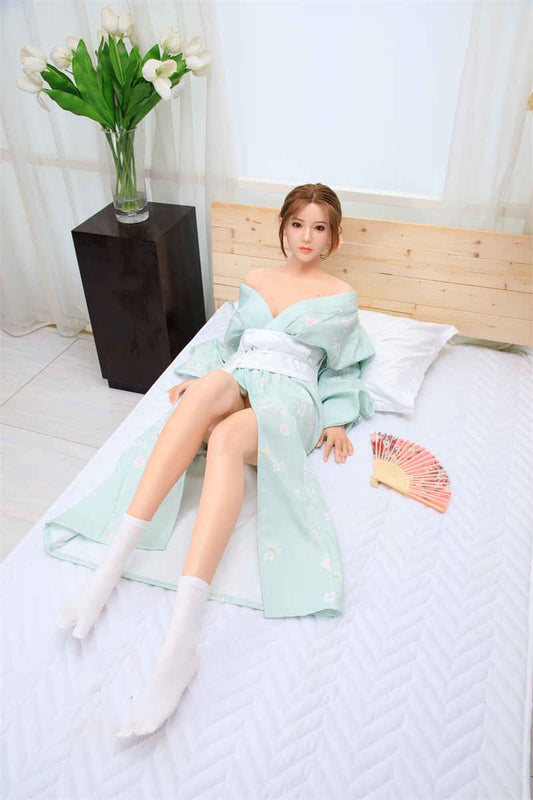
When people speak of “personality” in sex dolls, they are rarely referring to literal human behavior. Instead, personality is expressed through design choices: facial expressions, body language, posture, and even perceived temperament.
A calm expression can feel reassuring. A gentle posture can suggest approachability. These details subtly shape how users emotionally relate to their dolls. The goal is not to imitate human psychology, but to offer a sense of presence that feels emotionally coherent.
Personality, in this sense, is something users project onto the doll rather than something imposed by technology.
Why Emotional Neutrality Feels Safe
One reason sex dolls appeal to users with emotional needs is their neutrality. Unlike human relationships, dolls do not demand, judge, or reject. This emotional consistency can feel deeply comforting.
For individuals dealing with anxiety, social pressure, or emotional fatigue, this neutrality provides space to relax. The doll becomes a stable emotional anchor—always present, always predictable.
This sense of safety is often underestimated, yet it plays a significant role in long-term satisfaction.
Companionship Without Expectation
Modern life is emotionally demanding. Relationships require effort, compromise, and constant emotional negotiation. For some, this can feel overwhelming.
Sex dolls offer a form of companionship without expectation. There is no need to perform, explain, or meet emotional standards. Interaction happens entirely on the user’s terms.
This dynamic does not eliminate the desire for human connection, but it can temporarily ease emotional pressure. In this way, sex dolls function less as replacements and more as emotional buffers.
The Role of Routine and Familiarity
Emotional comfort often comes from routine. Familiar presence can be grounding, especially during periods of stress or isolation.
Many users describe forming habits around their dolls—placing them in familiar spaces, maintaining them carefully, or simply enjoying their presence during quiet moments. These routines reinforce emotional stability rather than novelty.
The doll becomes part of the environment, not an object demanding attention, but one offering quiet companionship.
Emotional Design Beyond Technology
While some modern dolls incorporate interactive or AI-driven features, emotional realism does not depend on complexity. In fact, too much interaction can feel artificial or distracting.
Often, emotional resonance comes from restraint. A neutral expression, a calm posture, and a natural physical presence allow users to interpret and engage emotionally in their own way.
Designers increasingly recognize that emotional depth is best achieved by leaving space for human projection.
Emotional Needs Change Over Time
One of the most overlooked aspects of sex doll ownership is how emotional needs evolve. Initial interest may be driven by curiosity or physical desire, but long-term engagement often shifts toward comfort and familiarity.
Over time, the doll’s role may become quieter and more emotionally grounded. This evolution mirrors how people adapt emotionally to consistent presence rather than novelty.
Understanding this progression helps explain why personality and emotional coherence matter far beyond first impressions.
The Balance Between Fantasy and Reality
Fantasy plays a role in sex doll appeal, but emotional satisfaction often comes from realism—not in appearance alone, but in emotional tone.
Exaggerated traits can be entertaining, but they rarely sustain long-term emotional connection. Subtlety, by contrast, allows the doll to feel adaptable to different moods and emotional states.
This balance between fantasy and realism is where meaningful emotional engagement emerges.
Loneliness and Emotional Support
Loneliness is not always about being alone. It can exist even in crowded environments. For some users, sex dolls provide a sense of presence during moments when emotional support feels inaccessible.
The doll does not offer conversation or empathy in the human sense, but its presence can reduce feelings of isolation. Simply sharing space with something that feels familiar and non-threatening can be emotionally stabilizing.
This quiet form of support is often the most valuable.
Emotional Responsibility and Self-Awareness
It is important to acknowledge that sex dolls are not substitutes for human relationships. Emotional reliance should be balanced with self-awareness and healthy social engagement where possible.
However, acknowledging their emotional value does not diminish their legitimacy. Like many personal tools—journals, pets, or comfort objects—sex dolls can play a supportive role when used thoughtfully.
The key lies in understanding personal needs and boundaries.
Crafting Emotional Presence With Care
Brands that approach sex doll design with emotional sensitivity tend to focus less on extremes and more on balance. Consistency, comfort, and emotional neutrality become guiding principles.
This philosophy can be seen in platforms like SpicyShe, where the emphasis extends beyond physical realism toward a more holistic understanding of user experience. Emotional comfort is treated as an essential part of design rather than an afterthought.
Looking Forward: Emotional Design as the Future
As the industry evolves, emotional design will likely become more refined rather than more complex. The future lies in subtle improvements—better expressions, more natural posture, and materials that enhance comfort rather than spectacle.
Personality and emotional presence will continue to be shaped by human perception rather than technological novelty.
Sex dolls are no longer defined solely by physical desire. They exist at the intersection of realism, emotional need, and personal comfort.
Personality in sex dolls is not something programmed—it is something felt. Emotional value comes not from simulation, but from the space a doll creates for calm, familiarity, and presence.